preserving the past to protect the future ...



|
||||||||||
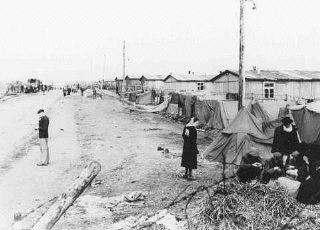
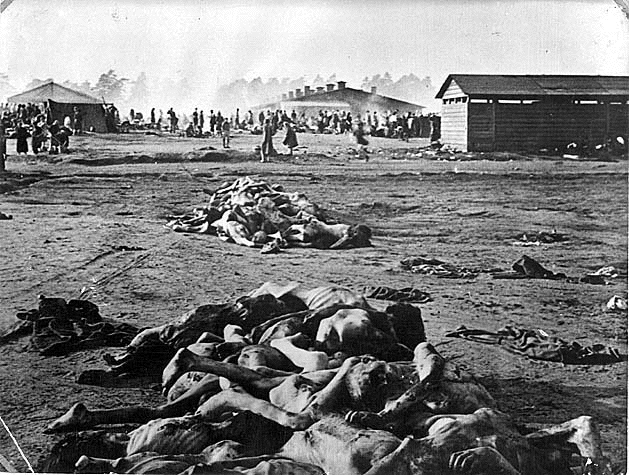
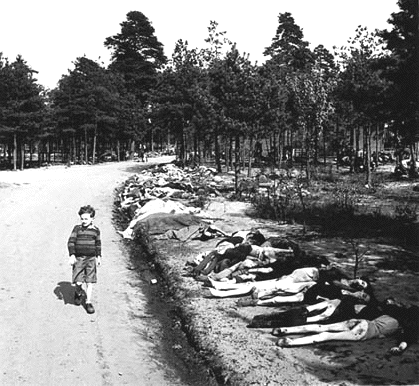
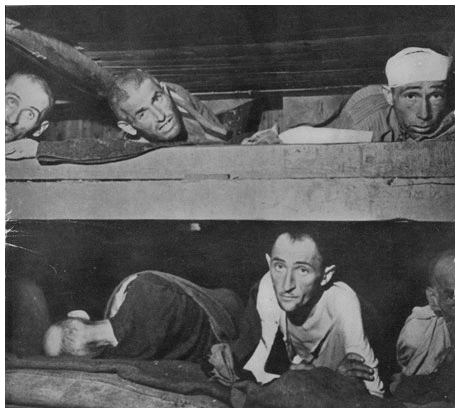
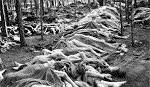
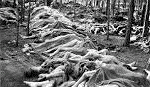
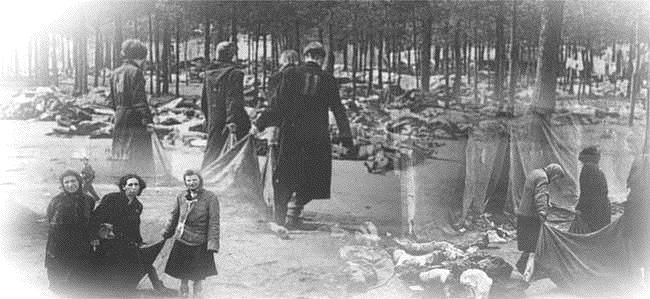 .The Hell Descendent on Earth at Bergen-Belsen -- (April 15, 1945 Photo) <kz-zuege.de/kapitel_05.htm>
|
||||||||||
|
|
||||||||||
|
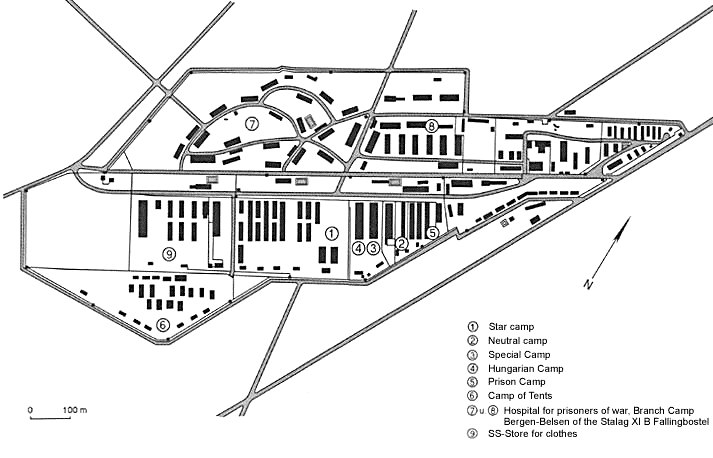
KZ Bergen-Belsen Map, September 1944
|
||||||||||
|
|
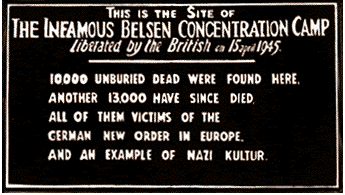

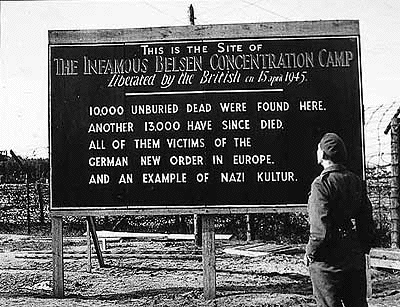
Sign posted at Bergen-Belsen
Concentration Camp
by British Liberating Soldiers
that tells it all ...
 |
 |
|
 |
||
|
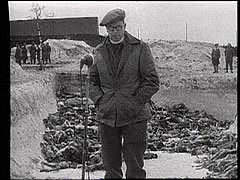
greeted British troops as they entered Bergen-Belsen concentration camp on 15 April 1945. . |
||
|
. |
||||||||||||||||||||||||||||||||||
|
. |
||||||||||||||||||||||||||||||||||
|
|
||||||||||||||||||||||||||||||||||
|
. |
||||||||||||||||||||||||||||||||||
|
"The fact is that all
these were once clean-living and sane
and certainly not the type to do harm
to the Nazis. They are Jews and are
dying now at the rate of three hundred
a day. They must die and nothing can
save them --their end is inescapable,
they are too far gone now to be
brought back to life. I saw their
corpses lying near their hovels, for
they crawl or totter out into the
sunlight to die. I watched them make
their last feeble journeys, and even
as I watched they died." [Peter
Coombs, British soldier,
May 4, 1945 letter to his
wife after liberation of
Bergen-Belsen.] Editor's Note: On
January 17, 2009, we received an email
from Chris Coombs --the son of the
late Peter Coombs, who noted: "My father
Cap't Peter Coombs of 21st
Army Group, originally of
the Royal Welsh Fusilers
and attached to the R.A.
was, I believe, one of the
first British officers to
help liberate Belsen. He
died this year aged 96
less three days, on Jan
14th in the UK." 1945 Photo
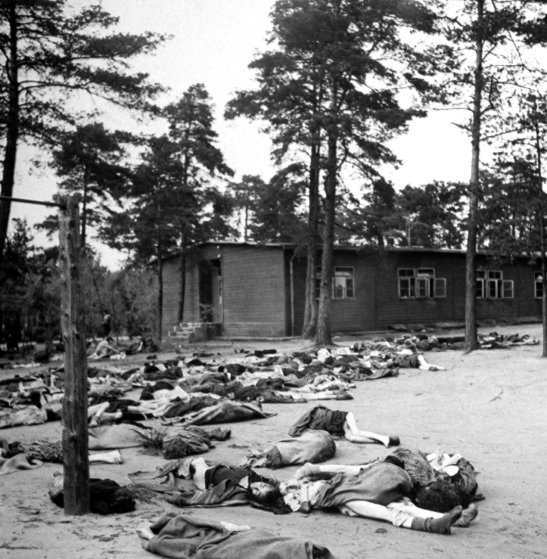
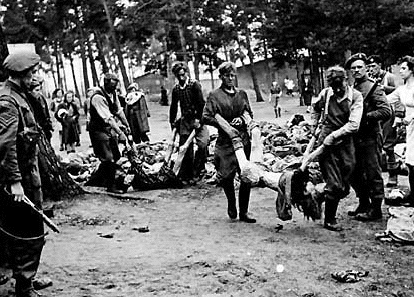
by George Rodger: "It
wasn't even a matter of
what I was photographing,
as what had happened to me
in the process. When I
discovered that I could
look at the horror of
Belsen --4000 dead and
starving lying around--
and think only of a nice
photographic composition,
I knew something had
happened to me and I had
to stop. I felt I was like
the people running the
camp --it didn't mean a
thing." George
Rodger in "Dialogue with
photography", Dewi Lewis
Publishing. Editor's Note: On
January 31, 2009, we received an email
from Guy Marlow whose grandfather,
Charles Marlow, was part of the
British liberating troops at
Bergen-Belsen. In the received email,
referring to his late grandfather (who
originally was in the Kings 8th Royal
Irish Hussars), Guy wrote:
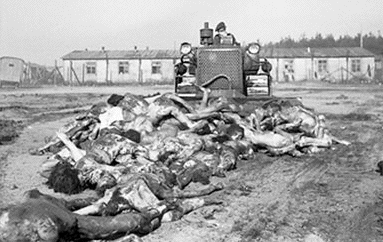
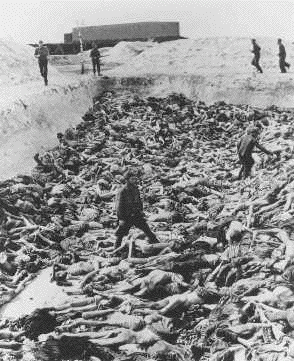
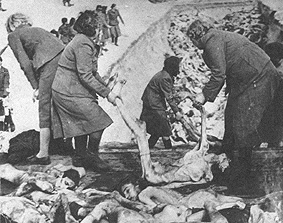
"I know that what he saw
at Bergen-Belsen troubled
him throughout his life as
he never mentioned the war
and what happened. He only
opened up and spoke to me
about the war one day,
this was when he told me
that he was at Bergen
Belsen and that he had to
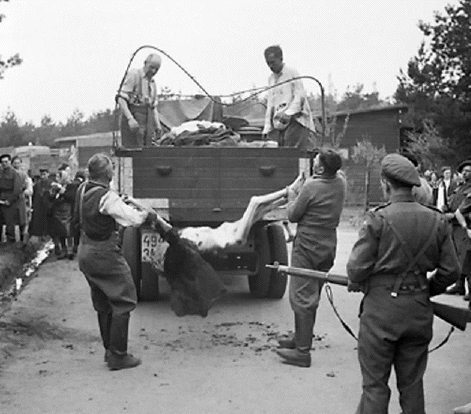
use tractors to push
bodies into pits. |
||||||||||||||||||||||||||||||||||
|
. |
||||||||||||||||||||||||||||||||||
|
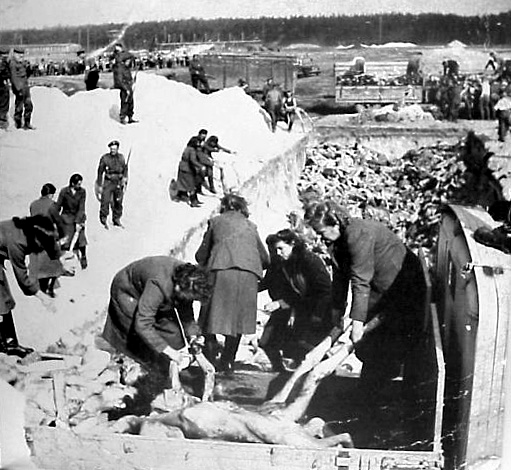
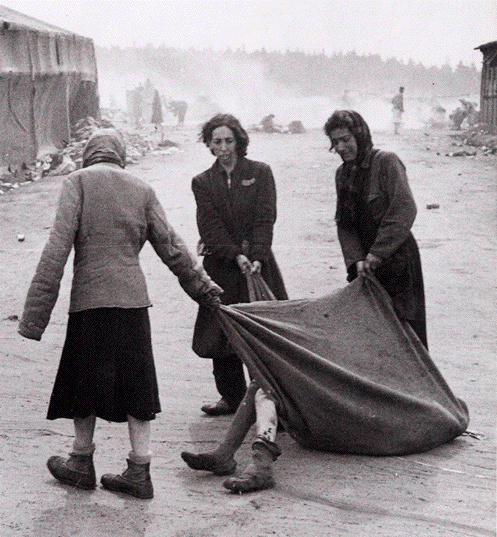 The HELL
descendent on Earth at Bergen-Belsen
The HELL
descendent on Earth at Bergen-Belsen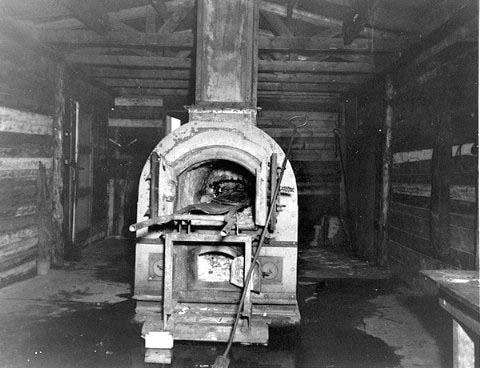 The
Crematorium at Bergen-Belsen
The
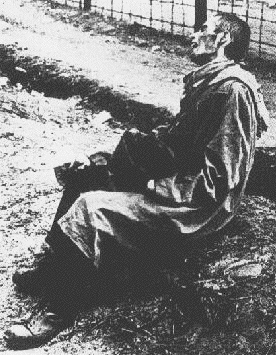
Crematorium at Bergen-Belsen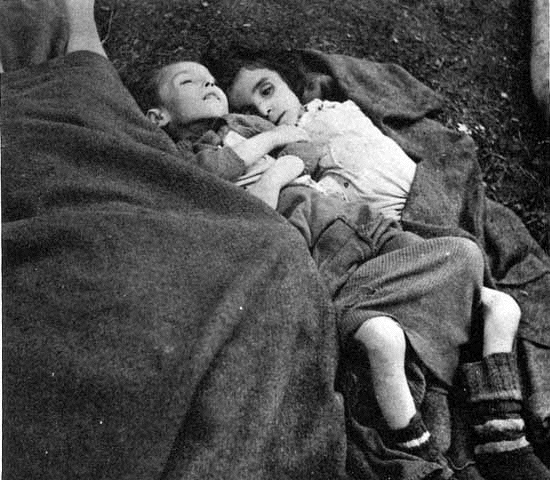 Barely
alive at Bergen-Belsen liberation
Barely
alive at Bergen-Belsen liberation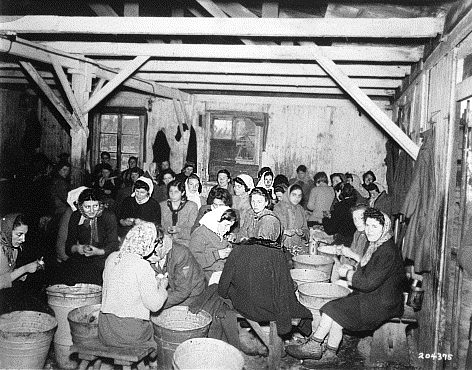
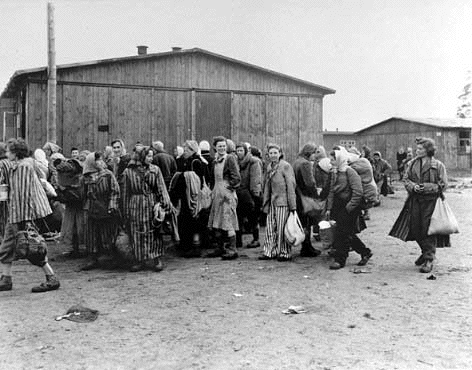
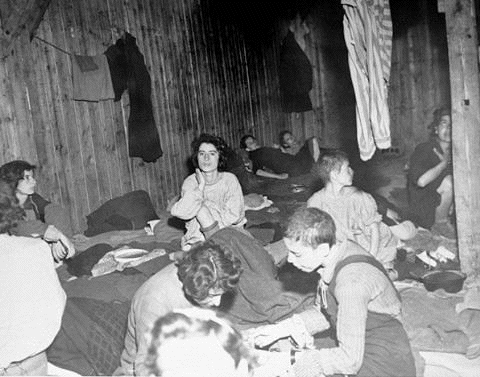
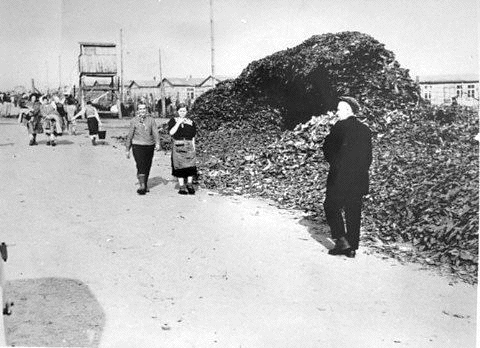
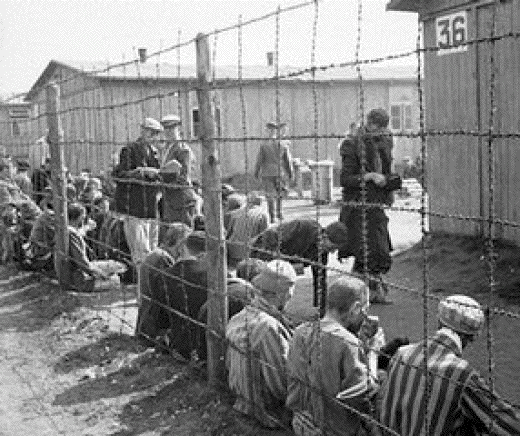
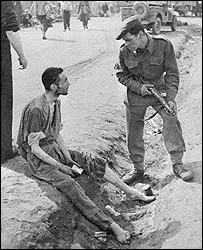
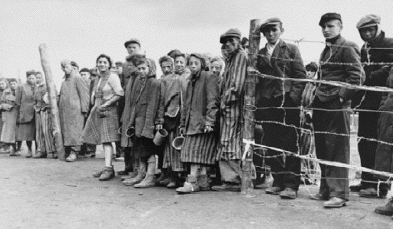
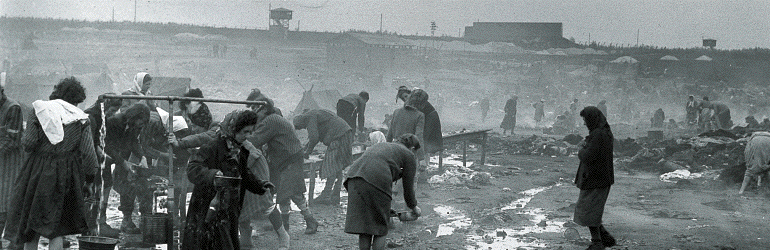
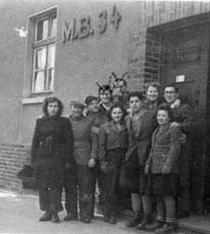 A
group of survivors in
Bergen-Belsen displaced
person's camp in December
1945. After liberation, the
concentration camp of
Bergen-Belsen became the site
of a displaced persons' camp,
the British army medical corps
helping in the physical
rehabilitation of the former
prisoners. --Yad Vashem
Archives 3815/23
A
group of survivors in
Bergen-Belsen displaced
person's camp in December
1945. After liberation, the
concentration camp of
Bergen-Belsen became the site
of a displaced persons' camp,
the British army medical corps
helping in the physical
rehabilitation of the former
prisoners. --Yad Vashem
Archives 3815/23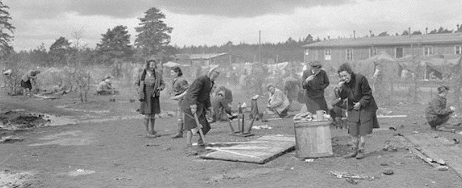
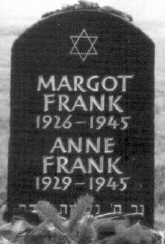



"Forget You
Not"™
Project

NOTE: If you have been distressed by this rather mild account of the Holocaust, from "Hell to Heaven" at Bergen-Belsen, we are not in the least sorry ....
